

What is Causing My Chimney to Fall Apart?
Is your chimney falling apart? The most common cause for a chimney to fall apart is from water that is collecting in the chimney. The water will deposit then freeze and this causes the bricks and chimney to fall apart. This is also referred to ask ‘spalling’. Spalling is a common problem and is the common cause for a chimney problems.
What Are the Most Common Causes of Chimney Deterioration?
Water is public enemy number one when it comes to brick chimneys. Over time, moisture seeps into the bricks and mortar, and as temperatures drop—particularly during those brisk Connecticut winters—that water freezes and expands. This cycle of freezing and thawing creates cracks and can eventually cause bricks and mortar to break apart. Chimney pros call this ‘spalling’—and it’s one of the usual suspects behind chimney trouble.
But water isn’t the only culprit. Here are a few other root causes to keep an eye on:
- Age of the Chimney: Older chimneys have weathered more seasonal changes. Years of exposure to rain, snow, and sun can weaken brick and mortar, making them prone to crumbling.
- Inferior Building Materials: Sometimes older or second-hand bricks are reused in construction. While recycling is generally great for the planet, in chimneys this can backfire. Salvaged bricks or bricks weakened by decades of prior use are naturally more susceptible to spalling and general deterioration.
- Shoddy Construction Techniques: If a chimney isn’t built following the best practices (think proper bricklaying, sound mortar application, and good structural support), it will deteriorate faster than one built with care. Poor joints and improper materials create pathways for water to invade, accelerating wear and tear.
- Missing or Damaged Chimney Caps: A quality chimney cap wards off water infiltration, but if the cap is missing—or has seen better days—rain and snow can flow right in, hastening brick decay.
The good news? Spotting these issues early gives homeowners a fighting chance to stave off serious damage.
If a homeowner catches the problem early, then a tuck pointing can repair the damages. Tuck pointing will remove the current mortar, then replace it with new mortar. The chimney liner may need to be replaced, too because that can cause a chimney to fall apart, as well.
When is Chimney Rebuilding Necessary?
Sometimes, chimney damage is too severe for a simple patch job or tuck pointing to fix. If large sections of bricks are crumbling away, or if the chimney structure is leaning or unsafe, it may be time for a rebuild.
There are a couple different approaches—sometimes only the upper portion of the chimney needs to be rebuilt, especially if damage is isolated at the top. In more serious cases, a full rebuild from the roofline up (or even from the foundation) may be the safest solution.
Common reasons for chimney rebuilding include:
- Extensive spalling across many bricks
- Large cracks running through the masonry
- Chimney leaning away from the house
- Serious water damage that has compromised structural integrity
If you notice these problems—or if repairs never seem to last—it’s best to consult a professional. Don’t delay, because putting off a rebuild can lead to even more expensive repairs down the road.
If you see damage to your chimney, immediately call a professional chimney sweep company. A professional will evaluate the chimney and liner, then determine the fix.
Safeside Chimney is the specialist in chimney repair and replacements. Give us a call today if your chimney is falling apart.
To learn more on Hartford’s most trusted chimney repair company, click here!

Chimney Rebuild Saves Manchester Family a Headache
Safeside Chimney recently completed a chimney rebuild for a 1920s Colonial in Manchester, CT, restoring both curb appeal and fire-side safety in one carefully planned project.
Why the Homeowner Called
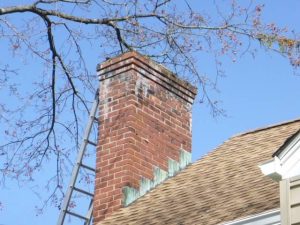 Last winter, white efflorescence stains began blooming across the brick stack, and a damp smell drifted into the living room each time the fireplace was lit. A roofing contractor traced the issue to failing mortar joints and flashing that allowed water to wick inside the masonry.
Concerned about loose bricks, the homeowner searched for a trusted Connecticut chimney specialist and chose family-owned Safeside Chimney, serving the state since 1997.
Our Chimney Rebuild Process
- Comprehensive Masonry Inspection – Certified technicians photographed every course, measured masonry moisture, and ran a camera through the flue to map hidden cracks.
- Tear-Down of Compromised Brickwork – The top four brick layers were dismantled to solid substrate, protecting the roof with padded planks. Each salvageable brick was cleaned for reuse, preserving the home’s original character.
- New Lead Flashing & Counter-Flashing – We installed step flashing woven into the shingle courses and sealed the laps with high-temperature caulk, stopping future leaks at their source.
- Stainless Steel Liner Installation – A UL-listed liner sized to the fireplace kept exhaust temperatures stable and mitigated carbon-monoxide risk.
- Bricklaying & Crown Pour – Using Type-N mortar for freeze-thaw flexibility, our masons rebuilt the stack, tooled weather-resistant joints, and poured a reinforced concrete crown with an expansion joint around the flue.
- Waterproofing & Final Touches – To lock out moisture, we brushed on a vapor-permeable sealant and fitted a stainless cap that blocks rain, downdrafts, and nesting pests.
Results of Professional Chimney Rebuild Services
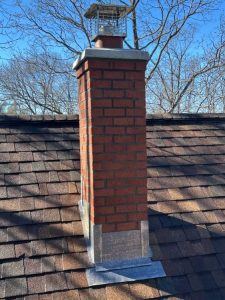 The rebuilt chimney now draws cleanly, the fireplace burns hotter with less smoke, and the exterior brickwork matches the home’s period detail. Beyond aesthetics, a correctly rebuilt stack prevents costly interior water damage, stops mortar from crumbling onto the roof, and extends liner life—key advantages echoed by national chimney-safety experts.
Regular chimney inspections catch minor mortar gaps, efflorescence, and flashing failures before they demand full reconstruction. If your Manchester or greater Hartford-area property shows similar warning signs—loose brick, staining, or smoky fires—protect your investment with a professional chimney rebuild.
Call Safeside Chimney or visit our contact page today to schedule expert service and keep your hearth safe for every New England season.
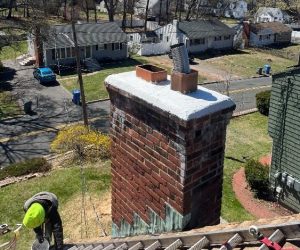
Middletown, CT Chimney Blaze Ignites from Creosote Build-Up
A Middletown, CT chimney went up in flames after the accumulated creosote ignited. Luckily, the fire department arrived in time to prevent the flames from spreading to the rest of the home.
This tragic event is a great reminder to have your chimney cleaned and inspected often! In this article, South District Chief Rob Ross says he harps the importance of chimney cleaning, but claims that warning is often ignored as the weather gets nicer. Keep your chimney and home safe this winter with the services offered by Safeside Chimney!
Click here to learn more about the trusted company for Middletown chimney cleaning!
Check out the full article on the Middletown chimney fire here.
Prevent Fires in Your Chimney
Having your chimney cleaned annually will prevent fires in your chimney. Soot, creosote and debris can collect in your chimney, which is some of the main reasons that a fire can start in your chimney. Having a clean chimney will keep your fireplace operating properly and effectively.
What is creosote?
Creosote is black or brown in appearance, and can be flaky along with having a sticky tar-like appearance. The creosote can be shiny and hard, depending on the length of time it has been in the chimney. The danger of creosote in a chimney is that it is highly combustible. The smoke, gases and tar minerals that come from the wood being burned in the fireplace goes up the chimney, but when these particles begin to stick to the chimney walls, this is creosote forming.
Debris
Debris come in many forms. It can be leaves and twigs that have blown into a chimney, because the current chimney cap is faulty or there is no chimney cap. It also consists of bird nests, raccoons and squirrels in the chimney. Animals are drawn to the chimney when it isn’t being used, because it is dark, private and warm. These type of debris can cause blockage, which can cause a fire.
Chimney Inspection
Having your chimney inspected at least once a year, prior to the heating season can determine if there is creosote buildup or debris in the chimney. The chimney inspection allows the chimney technician to examine the chimney for any cracks or damages too. If there is any creosote or debris present, then the chimney technician will remove and clean the chimney, then repair or replace the chimney cap, so your chimney is in good working condition for the winter season.
It is important to have your chimney inspected and cleaned. It will keep your family safe from any chimney fires along with providing your home with a safe and comfortable source of heating. Give Safeside Chimney a call today and schedule your annual chimney inspection and cleaning. Get in the habit of doing this once a year, so your chimney is always safe.
For more information on our chimney services, click here!

Broken Tiles in a Chimney Are Hazardous
If you have a fireplace or woodstove, then your chimney has flue tiles. The flue tiles are made of clay and are stacked on top of one another to form your liner, which removes the smoke and gases from your fire. These gases contain creosote and chemicals. Your flue removes these toxins up and out of your home, so your home is safe.
Over time it is common for these chemicals and gases to cause wear and tear on the flue tiles. The flue tiles become to start producing gaps and cracks. The flue tiles can crack for other reasons that include a chimney fire or even lighting from a storm, and just poor craftsmanship of the flue and chimney. No matter how the cracks occur in the flue tiles, they can pose a threat to your family’s health along with deteriorating your chimney. This is why it is essential to have your have your flue inspected.
Chim-Scan Video Inspection
We offer an amazing video inspection system called the Chim-Scan. The Chim-Scam allows our technician to see even the tiniest cracks in your flue tiles. The Chim-Scan video inspection is a long tube that has a camera on the end, which is connected to a monitor that the technician uses to see the inside of the flue. The camera is able to go over every inch of the flue, and inspect each flue tile to make sure there are no cracks or erosion present. It doesn’t matter how small the crack is on the flue tiles, our camera will be able to show the technician, and then our technician will show you the cracks that are present inside your flue.
Depending on the severity of the cracks in the flue tiles, a replacement can be done. Another option for homeowners is having a chimney liner repair system added. The chimney liner system will go over the existing flue tiles providing a new flue that will overtake the current one. The homeowner doesn’t have to worry about the expense of taking the current, cracked and damaged flue out with this option.
Our Chim-Scan video inspection system is the only way to get a thorough inspection of your flue. The video inspection system allows to pick up on any and all cracks and damages. Homeowner should have their flue tiles checked at least once a year, so their home is safe from all toxins entering it.
For more information on our chimney services, go to safesidechimney.com/.
How Do I Know if the House I Bought Has Chimney Problems?
New homeowners have a lot going on with a move. Getting settled and adjusted to the new house can be overwhelming. The last thing a new homeowner wants to think about is the chimney. A new homeowner should know if their chimney has problems before they decide starting a fire.
The first thing a new homeowner should do to know if their chimney has problems is to call a professional chimney sweep company. The professionals will do a thorough inspection of the chimney, liner and cap. The chimney sweep company will let the homeowner know if there are cracks, debris or damages to the chimney. The chimney may just need a good cleaning, but without having a professional evaluate the chimney, a homeowner may never know.
Call a professional chimney sweep company as soon as you get settled. Don’t plan on using your chimney until it can be inspected. This will keep your family and home safe. Safeside Chimney has been providing affordable chimney inspections for decades. We are certified, licensed and insured to provide excellence for your chimney. Give Safeside Chimney a call today!
To learn more about our chimney services from Hartford’s chimney specialists, click here!