

How We Rescued a Water-Damaged Chimney in Hamden, CT—Inside and Out
For many homeowners in Hamden, CT, the chimney is more than just a cold-weather staple—it’s part of the home’s character. But when years of moisture exposure and neglected maintenance combine, even the most charming fireplace can become a costly risk.

That’s exactly what we discovered at a recent chimney repair project in Hamden, where what looked like minor moss growth turned out to be a major structural and safety concern.
Here’s how we tackled it.
A Damp Exterior Hiding Bigger Problems
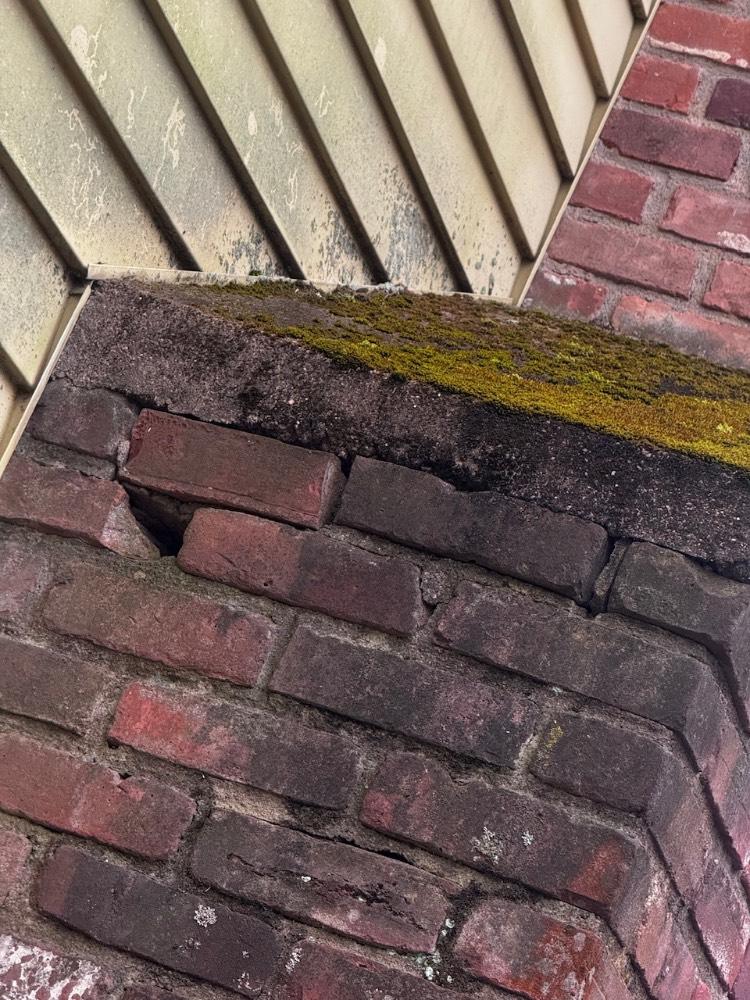
The homeowner called us in after noticing moss spreading across the base of their chimney. What they didn’t realize was that this green coating was the visible symptom of a much deeper issue.
The chimney’s shoulder section, located where the vertical shaft widens to meet the roofline, was heavily compromised. Moss and algae had taken hold in the damp, shady environment—conditions that had slowly worn down the masonry over time.
Several bricks were missing or spalled (cracked and flaking), and the mortar joints were crumbling. The crown and upper courses of brick also showed discoloration and surface wear—signs that water had been getting in for quite a while.
Left unaddressed, these conditions would almost certainly lead to water infiltrating the home itself, not to mention further breakdown of the chimney’s structural integrity.
Hidden Fire Hazards Inside the Flue
While the exterior issues were urgent, the chimney’s interior posed an even more dangerous threat. During our inspection, we discovered the flue tile was coated in thick, glazed creosote—a highly flammable residue caused by incomplete wood combustion.
This kind of buildup doesn’t happen overnight. It often results from burning green wood, using an inefficient stove, or simply going too long without a proper chimney sweep.
In this case, the creosote was so heavy that it had taken on a glossy, tar-like appearance, indicating intense heat exposure and a real risk of chimney fire.
In some spots, the flue tile showed signs of heat stress or delamination, which suggested long-term damage. A Level 2 chimney cleaning was necessary, and depending on further inspection, the flue may need to be resurfaced or relined to ensure safety.
Restoring Function and Safety
Our team at Safeside Chimney & Duct Cleaning took a two-pronged approach to restore the chimney, both inside and out. On the exterior, we:
- Removed moss and biological growth
- Replaced spalled and missing bricks
- Repointed deteriorated mortar joints
- Sealed the crown to prevent future moisture penetration
Inside the flue, we conducted a thorough cleaning and began evaluating whether relining would be required based on the heat damage to the tiles.
The result?
A fully restored chimney that’s both structurally sound and safe to use—ready to serve this Hamden home for years to come.
A Reminder for Hamden Homeowners
Hamden’s climate—cold winters, humid summers, and shaded areas around homes—makes chimneys particularly vulnerable to moisture and biological growth.
If you’re seeing moss on your chimney or can’t remember your last flue cleaning, it might be time to take a closer look.
Think your chimney might be overdue for some attention?
Whether you need a full repair, a safety inspection, or a deep cleaning, our certified technicians are here to help. Schedule your inspection today and get ahead of small problems before they become expensive ones.