

Why is Water Dripping into My Fireplace?
“It’s raining outside, and I can hear water hitting the floor of my fireplace.”
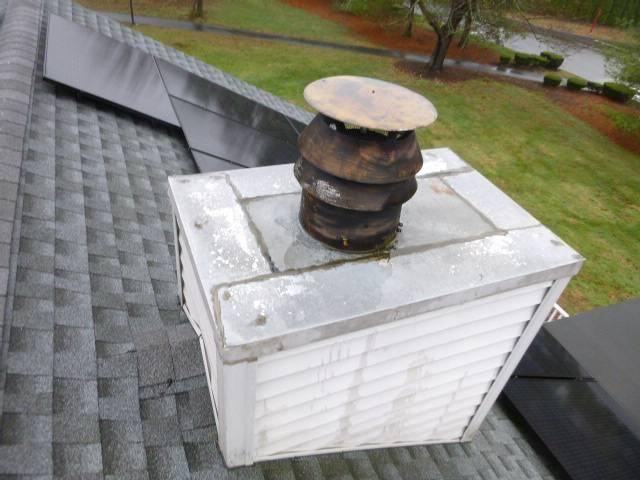
Honestly? We hear that more than just about anything else. Most people assume they just need a quick chimney cap and they’re good to go. Sometimes that’s the fix. But more often than not, water in your fireplace is the “check engine light” for a bigger problem.
Living here in Connecticut, our chimneys are basically in a boxing match with the weather. Between the heavy rain and those brutal freeze/thaw cycles, your brick is acting like a giant sponge. Once that moisture gets trapped and freezes, it expands—and that’s when things start cracking.
By the time you actually see a drip, your chimney has probably been trying to tell you something was wrong for a long time.
The Usual Suspects
It’s rarely just one thing, but here is what we usually find when we get up on the roof:
- Bad Flashing: This is the big one. It’s the metal seal where the chimney meets your roof. We see a lot of “handyman specials” out there—blobs of tar or roofing cement smeared around the base. It might hold for a season, but it’s a band-aid, not a fix.
- Cracked Chimney Crowns: That concrete slab on the very top? Most older ones are just made of mortar and they eventually crumble.
- Rusted Chase Covers: If you have a prefab fireplace, that metal “lid” on top can rust through and start acting like a funnel.
- The “Sponge” Effect: Deteriorated mortar or “spalled” (flaking) bricks that are just saturated.
That Weird Smell? Yeah, It’s Related.
If your fireplace starts smelling musty or like an old campfire every time it gets humid or rainy, that’s not just “old house smell.” That’s moisture mixing with the soot and creosote inside your flue. It’s a dead giveaway that water is getting where it shouldn’t be.
The Bottom LineWater is the #1 enemy of your chimney. It’ll rot your dampers, stain your ceilings, and eventually turn a simple repair into a total structural rebuild.
At Safeside Chimney, we aren’t interested in just smearing more tar over a leak and hoping for the best. We want to find the actual entry point. Sometimes it’s an easy fix; sometimes it’s a couple of things working together. Either way, catching it now is going to be a lot cheaper than waiting until the ceiling starts sagging.
If you’re hearing that drip-drip-drip, give us a shout. Let’s get it looked at before the next big storm hits.
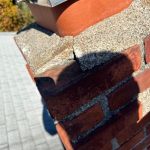
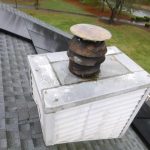
Roof-Up Chimney Rebuild and Chimney Liner in Newington, CT
A recent project gave us the opportunity to correct several long-term chimney problems before they caused more extensive damage. The home had a gas water heater venting into an oversized exterior masonry chimney, along with multiple chimney structures showing signs of water intrusion and aging masonry. Our work focused on restoring safe venting while rebuilding the damaged chimney from the roofline up.
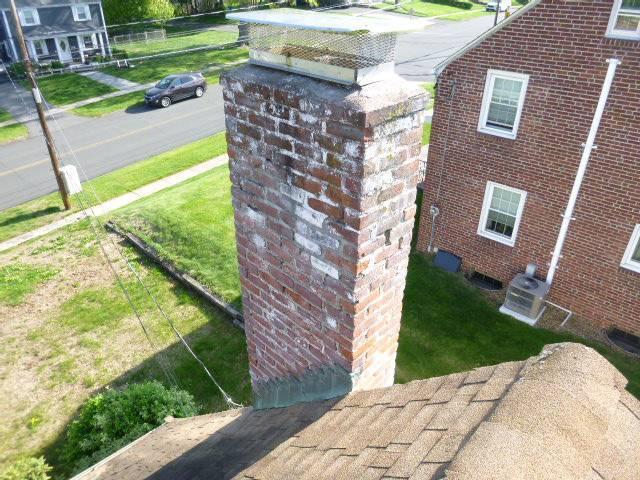
Why This Chimney Needed a New Liner
The gas water heater exhausted into a large, cold masonry chimney that was never designed for today’s smaller gas appliances. As the exhaust cooled too quickly, condensation formed inside the flue. Over time, the acidic moisture deteriorated the mortar joints between the flue tiles and created openings that allowed moisture and exhaust gases to enter the chimney structure.
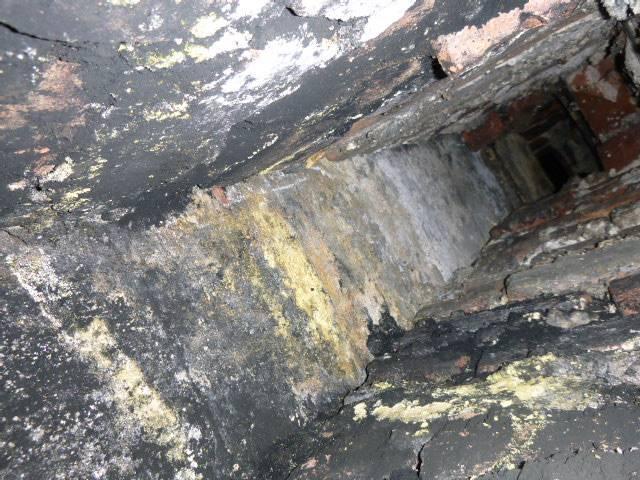
We installed a properly sized stainless steel chimney liner that ran continuously from the water heater to the top of the chimney. The new liner provided a dedicated venting path, improved appliance performance, and helped protect the surrounding masonry from additional acidic damage.
Roof-Up Chimney Rebuild in Newington, CT
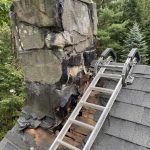
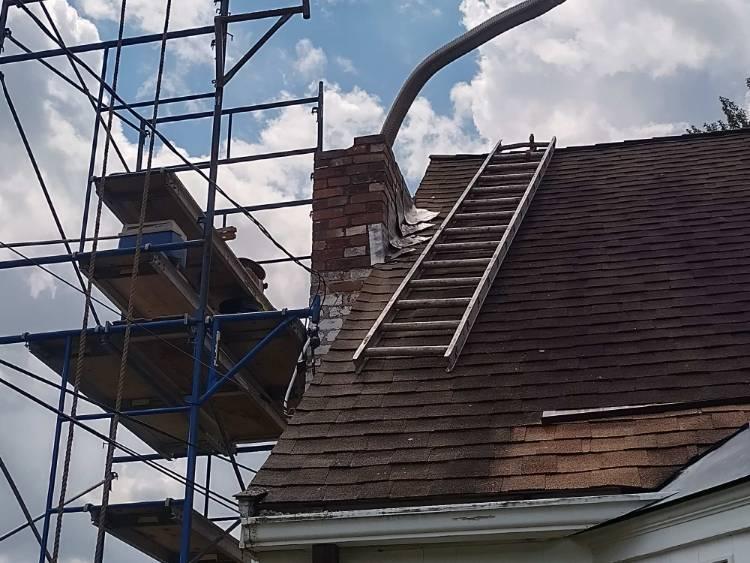
Years of moisture exposure and acidic deterioration had left the chimney unstable above the roofline. We found loose brick, open mortar joints, a failing crown, damaged fireplace flue tiles, and signs of previous patch repairs that had not addressed the underlying problems.
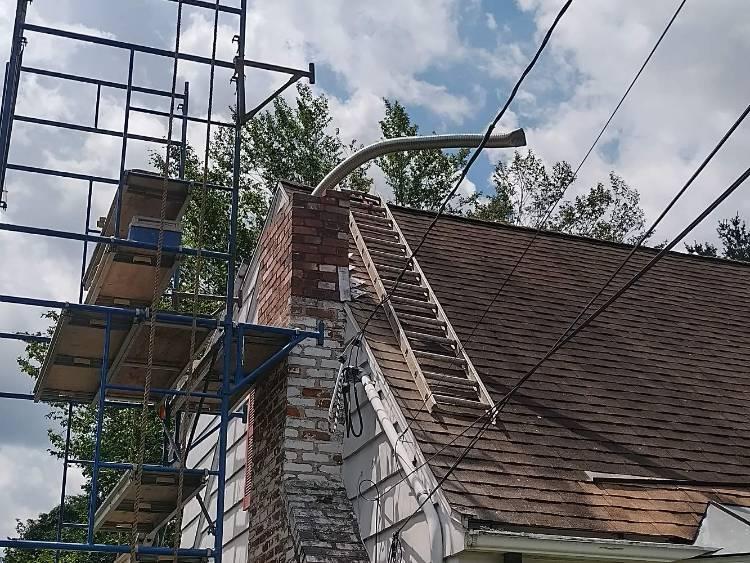
Our crew dismantled the chimney to the roofline and rebuilt it with new brick and mortar. We installed new flashing, replaced the damaged upper fireplace flue tiles, reconstructed the concrete crown with a proper drip edge, and reinstalled the homeowner’s existing stainless steel chimney cap. The completed rebuild restored both the structural integrity and weather resistance of the chimney.
Preventing Water Damage on the Remaining Chimneys
The home also had two additional chimney structures with early signs of water penetration. One chimney received crown repairs, selective mortar joint repointing, and a water repellent treatment to slow future deterioration. The other chimney remained structurally sound, so we sealed the crown and applied a breathable water repellent to help keep moisture out while preserving the masonry.
Addressing these maintenance items now helped reduce future water damage and extended the service life of both chimneys.
A Long-Term Solution
Every chimney presents a different combination of venting and masonry challenges. In this project, correcting the venting system and rebuilding the deteriorated chimney solved the underlying causes instead of covering them with another temporary repair. The finished work provided safe venting for the gas appliance, restored the damaged masonry, and helped protect the home’s chimney system for years to come.
Chimney Liner in Southbury, CT: Fixing Condensation Damage the Right Way
When we completed this recent chimney liner in Southbury, CT, we addressed serious condensation damage inside the flue. The homeowner’s oil heating system produced moisture-rich exhaust gases that condensed along the interior masonry walls. Over time, that moisture caused erosion and flaking material inside the chimney.
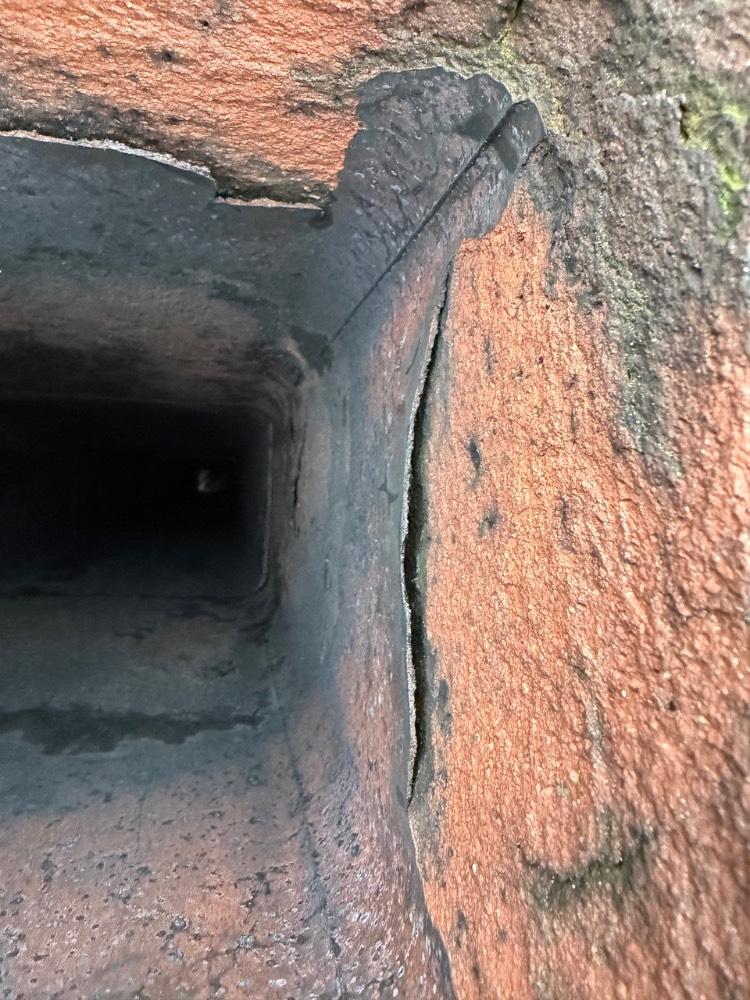
During our Level 1 inspection, we found deterioration that restricted airflow and increased the risk of carbon monoxide entering the home. We recommended immediate corrective action to restore safe venting performance.
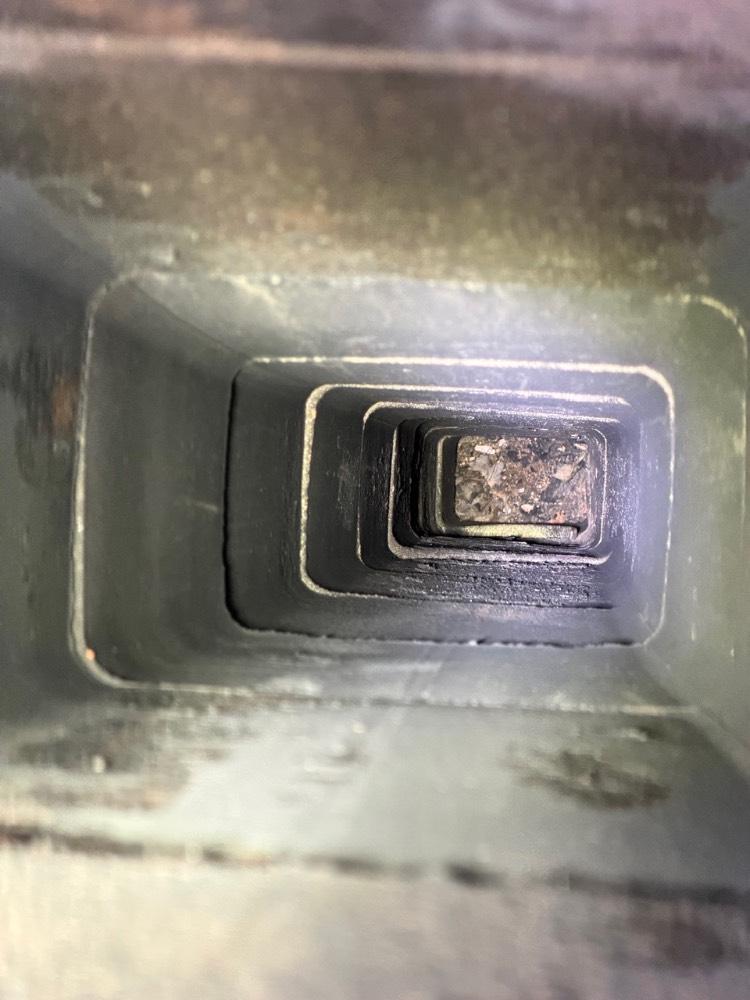
Why We Installed a New Chimney Liner in Southbury, CT
The existing flue system showed clear signs of failure. Moisture had damaged the interior liner, and loose debris threatened to block proper draft. Instead of patching a compromised system, we installed a new UL-listed stainless steel 316L 2-ply smoothwall liner properly sized to the oil appliance.
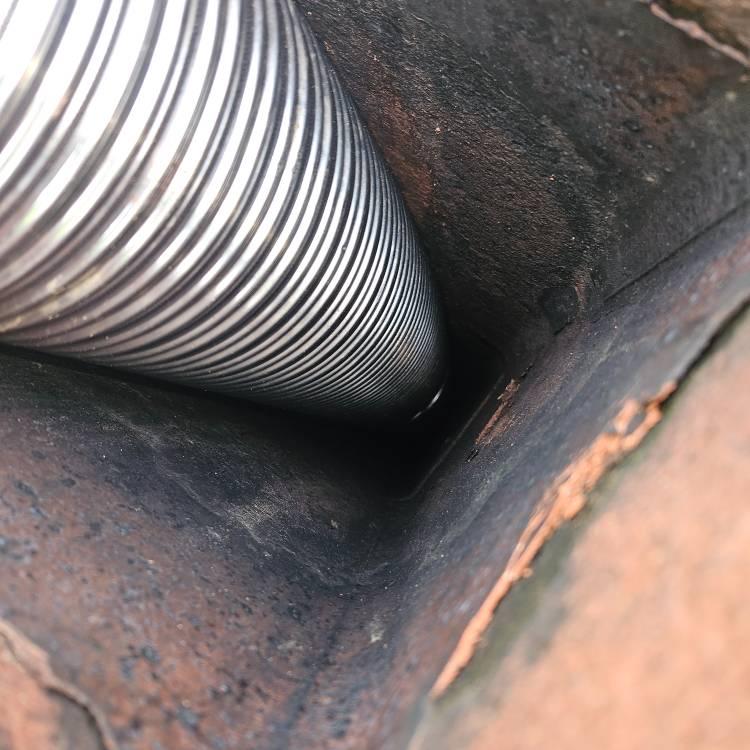
This new chimney liner in Southbury, CT bypassed the defective flue entirely. We connected the liner with a stainless steel tee, secured it with a top plate and clamp, and finished the system with a termination cap. The new liner now carries heat, water vapor, and combustion gases directly to the top of the chimney without contacting the damaged masonry.
As a result, the chimney regained proper draft and venting performance. The homeowner gained improved safety, stronger efficiency, and lasting protection against future condensation damage.
Chimney Caps in Southbury, CT: Protecting the System at the Top
Proper termination plays a critical role in chimney performance. As part of this project, we installed a secure stainless steel cap to complete the system. High-quality chimney caps in Southbury, CT help prevent rain, debris, and animals from entering the flue.
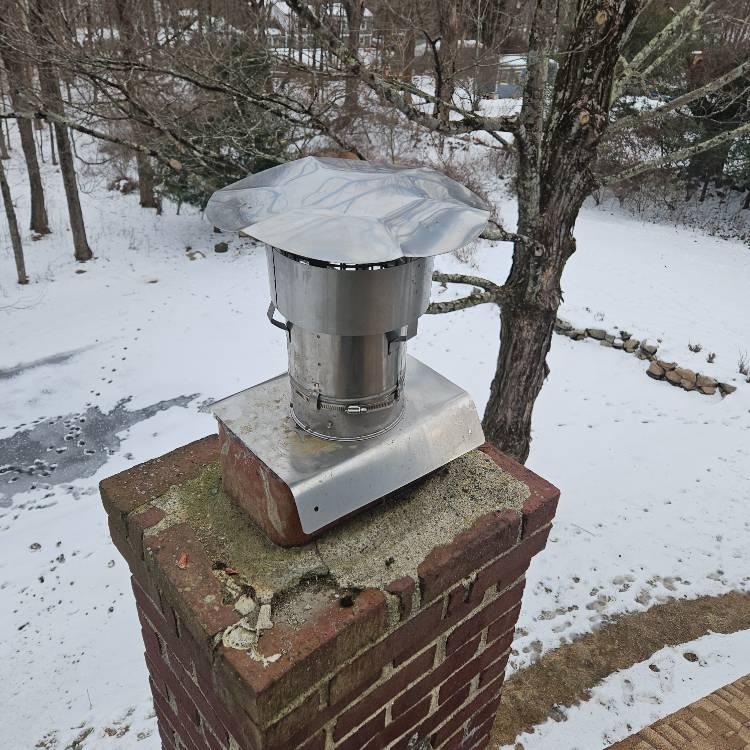
Without reliable chimney caps in Southbury, CT, water intrusion can accelerate masonry deterioration and liner damage. We made sure the cap fit tightly and sealed correctly, protecting both the new liner and the chimney structure.
A Safer, Long-Term Solution
This installation restored the chimney’s ability to vent safely and efficiently. The new liner now protects the inner structure from corrosive condensate while delivering dependable performance for years to come.
If your oil heating system shows signs of moisture damage or draft problems, a properly installed stainless steel liner can provide the lasting solution your home needs.
Roof-Up Chimney Rebuild in Darien, CT
Water damage had taken a serious toll on this chimney in Darien. Our inspection found widespread deterioration throughout the exterior masonry structure, including spalling brick, open mortar joints, separation between masonry components, and a fractured crown. The homeowner also had a high-efficiency gas boiler venting into a cold exterior chimney, which contributed to ongoing condensation problems inside the structure.
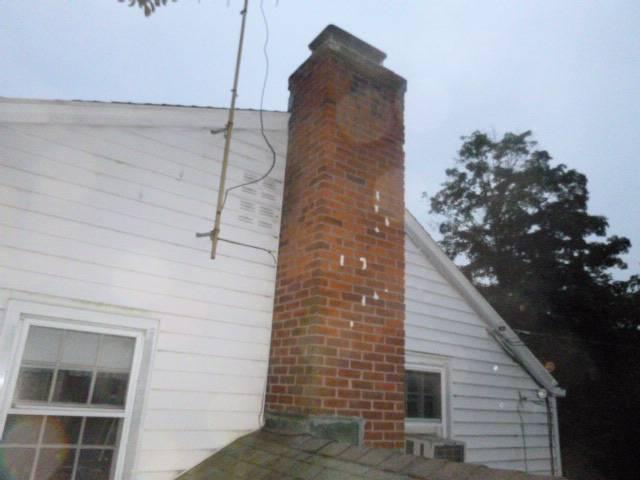
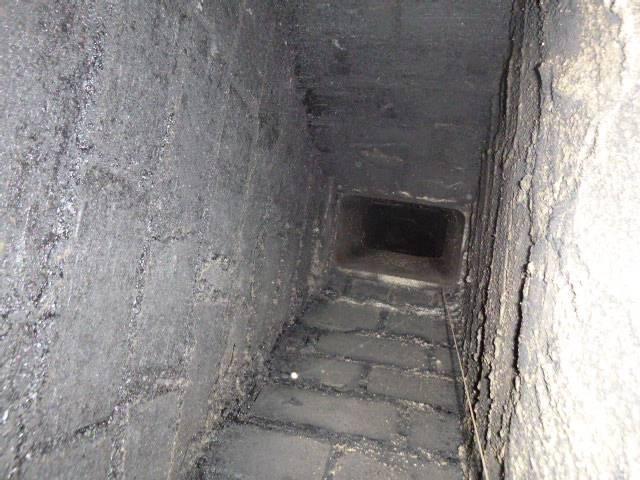
Because nearly the entire upper chimney showed signs of damage, we recommended a full roof-up chimney rebuild in Darien, CT.
Diagnosing the Cause of the Damage
The underlying problem started inside the chimney. As the boiler exhausted warm flue gases, the oversized exterior chimney allowed those gases to cool too quickly. Moisture then condensed inside the venting system and masonry structure.
Over time, that moisture wicked through the brickwork and mortar. Freeze-thaw cycles accelerated the deterioration, leading to cracked mortar joints, damaged brick faces, and visible separation throughout the chimney.
By the time we arrived, a high percentage of the chimney above the roofline showed significant damage.
Completing the Roof-Up Rebuild
We carefully removed the homeowner’s cap and top-mount damper system before dismantling the chimney down to the lower roofline. From there, we rebuilt the entire exterior structure using new brick and mortar while maintaining the original footprint.
As part of the project, we replaced the flue tiles throughout the rebuilt section and increased the chimney height by several courses to improve the overall structure. We also installed new properly tucked flashing to help prevent future water intrusion where the chimney met the roof.
Improving Venting and Moisture Protection
Since condensation played a major role in the chimney’s failure, we addressed that issue during the rebuild. We insulated the existing stainless steel liner and installed new clay flue tile sections where required. We also swept both flue passages before completing the project.
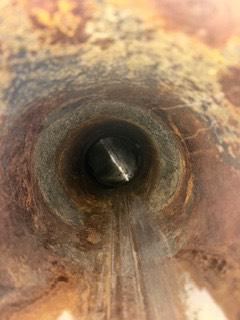

At the top of the chimney, we constructed a new concrete crown with a proper drip edge to direct water away from the masonry.
A Long-Term Solution for a Failing Chimney
This project corrected both the visible masonry damage and the moisture conditions that caused it. By rebuilding the chimney, replacing damaged venting components, improving water protection, and insulating the liner, we restored the structure’s integrity and helped protect it from future deterioration.
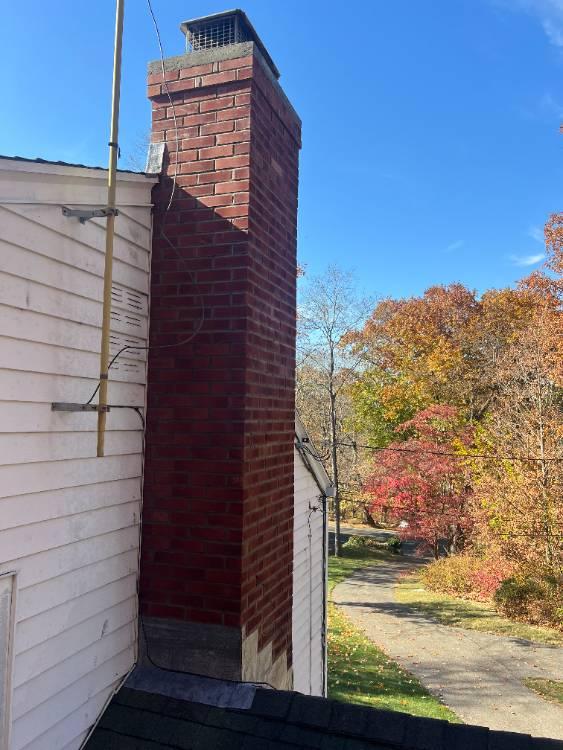
When condensation and water penetration begin damaging a chimney, addressing the root cause is just as important as repairing the visible masonry. This Darien rebuild accomplished both.
Boiler Liner in Torrington, CT Helped Stop Chimney Deterioration
Our team recently completed a chimney restoration project for a homeowner who needed a new boiler liner in Torrington, CT. During the inspection, we found that the high-efficiency oil boiler vented into an oversized exterior chimney that stayed too cold during operation. As the exhaust cooled, condensation formed inside the flue and mixed with oil soot. That moisture created sulfuric acid, which started damaging the chimney from the inside out.
Gaps and voids had formed inside the venting system, allowing exhaust and moisture to move into the chimney structure. We recommended a properly sized stainless steel liner to improve drafting and safely vent the boiler gases out of the home.
Installing a Stainless Steel Liner System
We installed a stainless steel smooth-wall liner system that ran continuously from the boiler connection to the top of the chimney. The new liner helped contain moisture and protected the remaining masonry from further acid damage. The system also improved the safety and performance of the heating appliance.
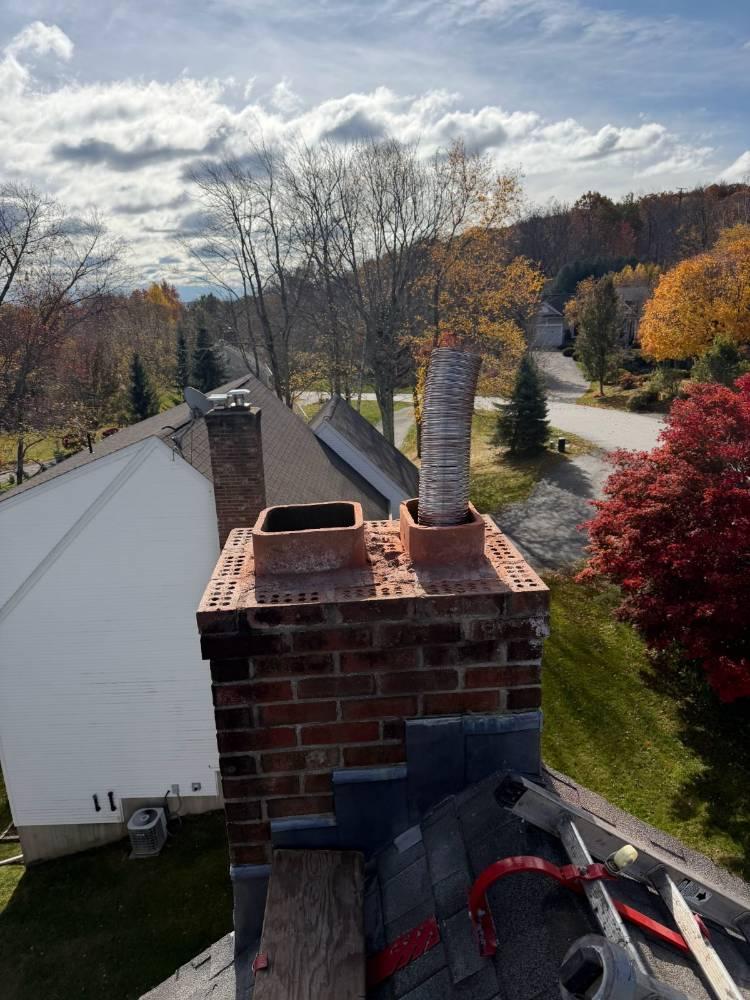
Chimney Crown in Torrington, CT Showed Early Structural Damage
Chimney also had a broken cement crown near the top of the structure. Moisture exposure and freeze/thaw cycles had caused sections of the crown to crack and deteriorate. We removed the damaged material and rebuilt the chimney crown wash
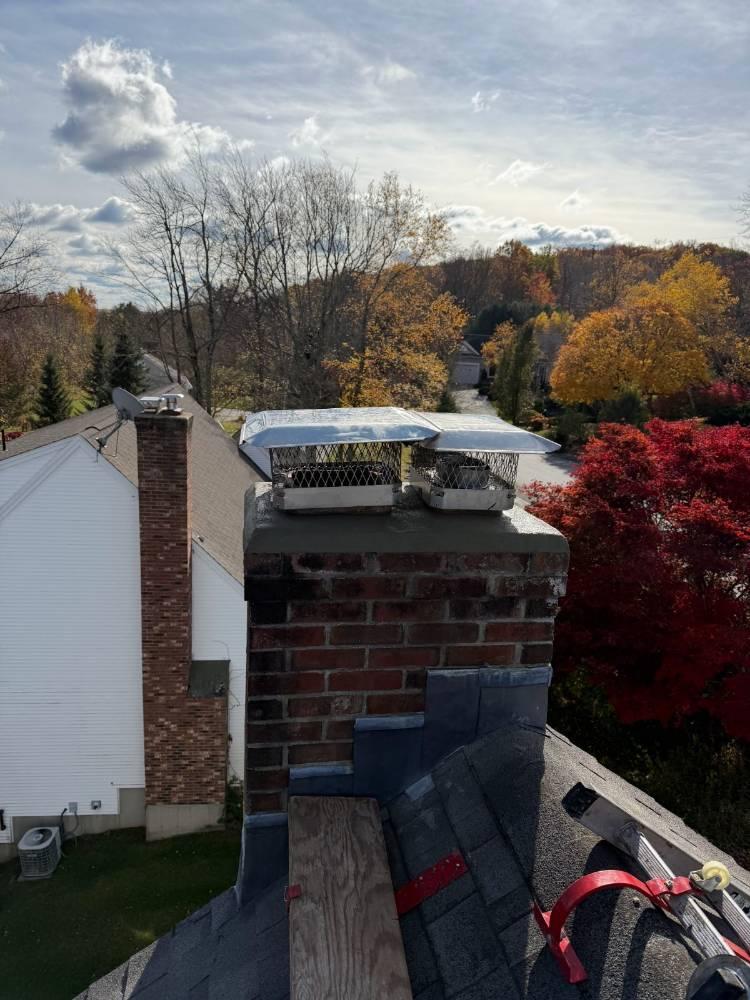
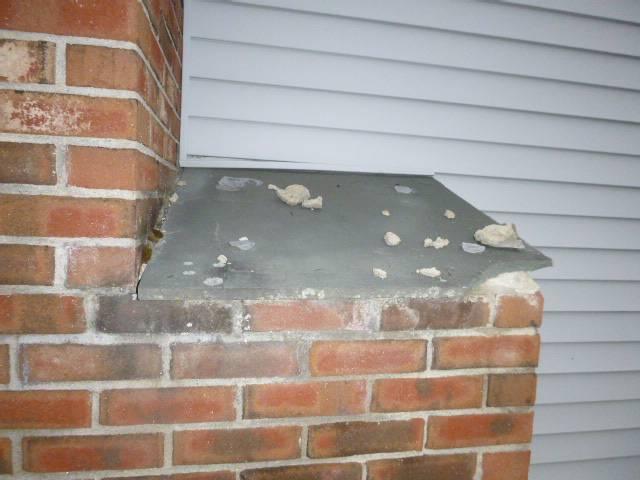
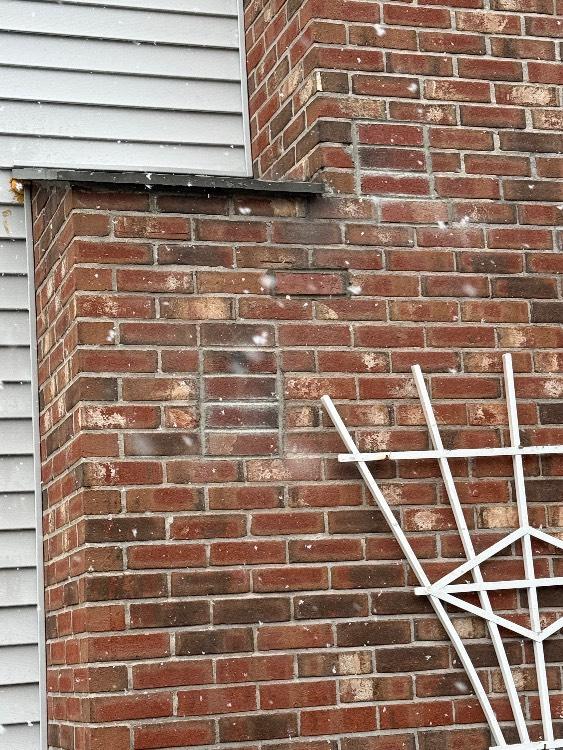
Slate Shoulder in Torrington, CT Restored Chimney Protection
The shoulder area of the chimney had damage and deterioration , this is a common area of water infiltration. We removed the remaining damaged slate and installed a new bluestone shoulder to fully protect the chimney shelf area from future water penetration.
Chimney Liner and Custom Cap in Shelton, CT
Our team recently completed a chimney restoration project that included a new chimney liner and a custom multi-flue cap installation in Shelton, Connecticut. The homeowner contacted us after signs of condensation damage both inside and out of chimney system. Moisture from flue gases had begun to deteriorate the interior liner, creating conditions that could eventually affect safe appliance venting.
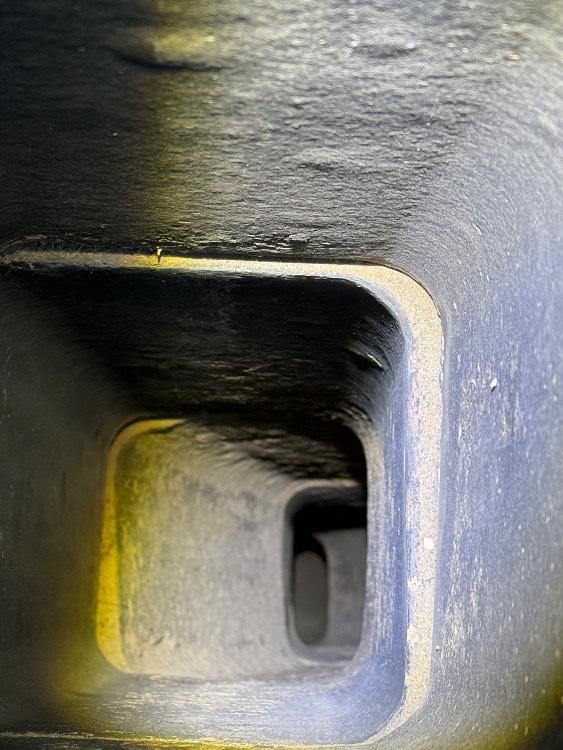
We inspected the chimney and recommended a permanent solution that would protect the structure and restore proper performance.
Resolving deteriorated flue tile situation
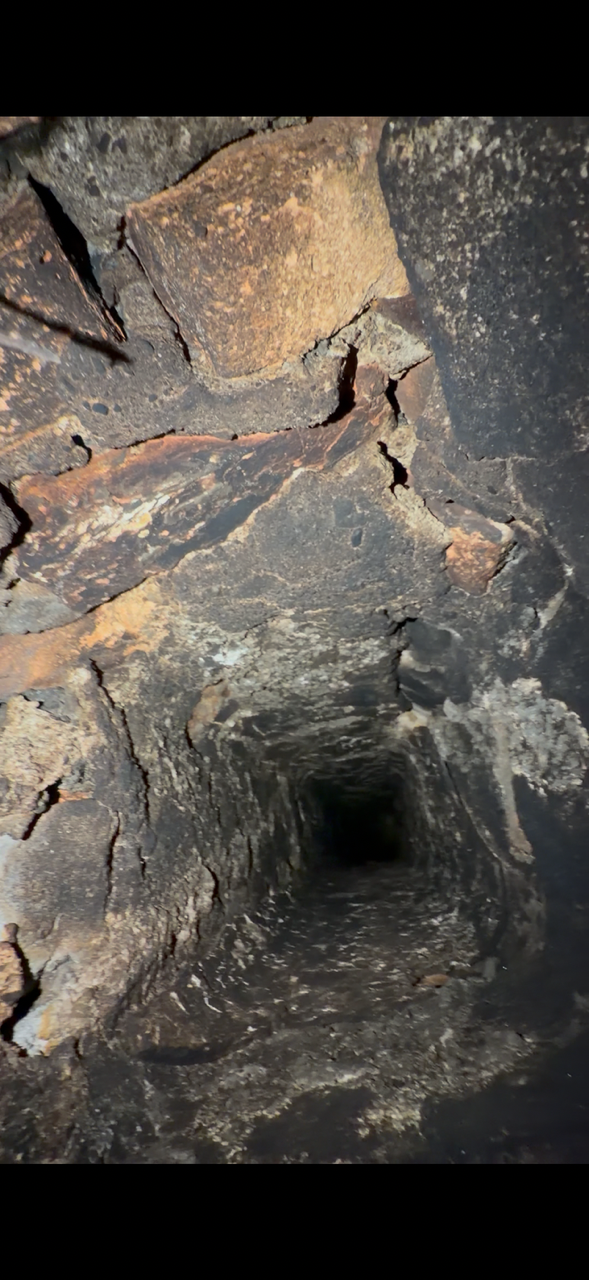
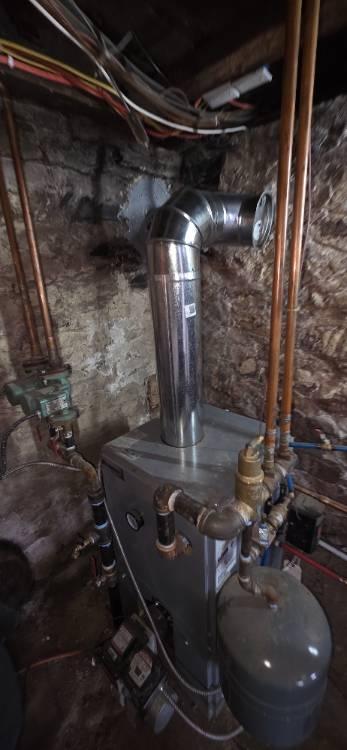
To correct the problem, we installed a properly sized UL-listed stainless steel chimney liner. The new liner pipe exhaust gases, moisture vapor, and carbon monoxide to travel safely from the appliance to the top of the chimney , bypassing the defective flues. The installation also protects the masonry structure from future condensation damage.
Replacing the Old Bluestone Chimney Cover
The top of this chimney had an older bluestone-style cover supported by small brick pillars. At one time, that may have seemed like a solid way to cover the chimney, but it was no longer doing the job properly.
The stone top was weathered, and the brick support pillars were starting to deteriorate. This type of setup also leaves the sides of the flues open, which means wind-driven rain, leaves, animals, and debris can still get into the chimney system.
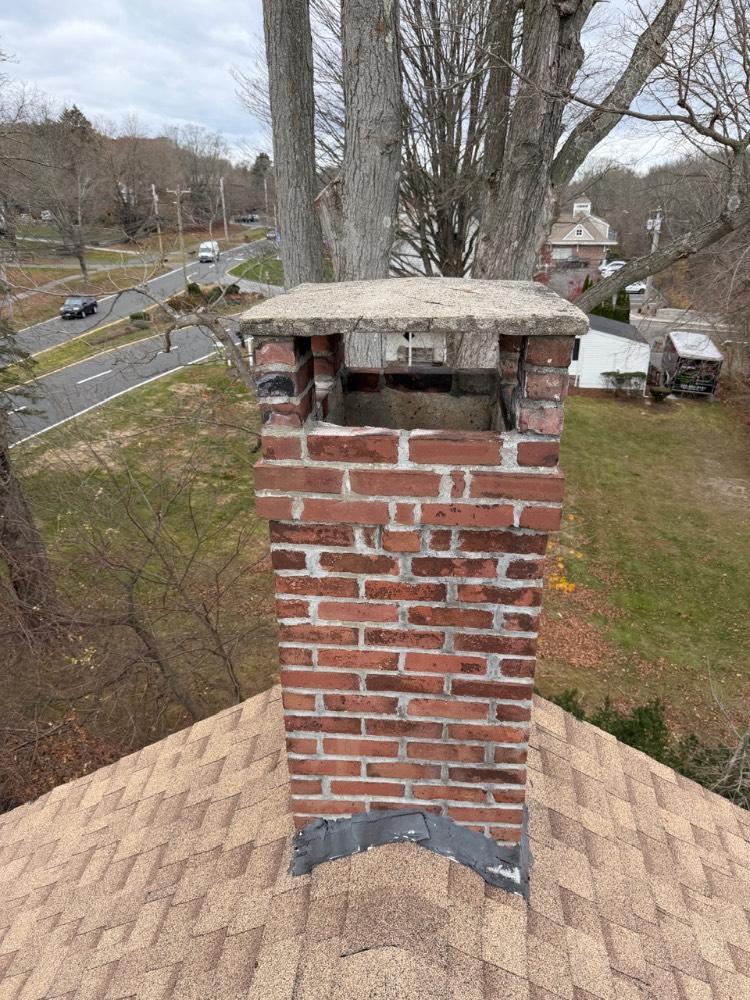
A stone cover is not the same thing as a properly built chimney cap. It does not deter animal intrustion , and while it may block some direct rain from above, but it does not give the same protection as a fitted stainless-steel cap with screening, proper height, and a drip edge designed to shed water away from the masonry.
After the liner work was completed, we replaced the old bluestone cover with a custom stainless-steel multi-flue cap. The new cap was measured and fabricated for this chimney, giving the flues room to vent while helping protect the top of the chimney from water, animals, and debris.
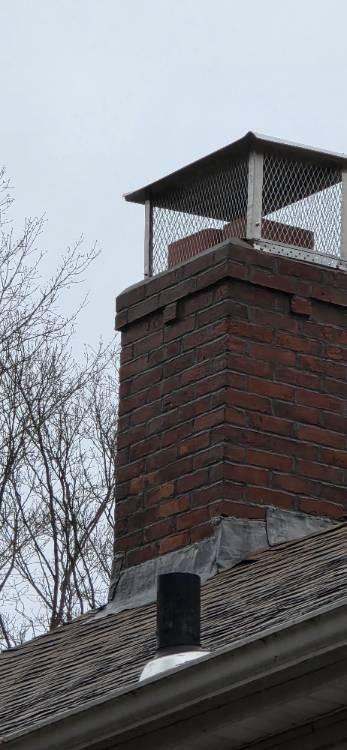
On a chimney like this, the cap is not just for looks. It is part of protecting the repair and keeping the chimney system in better condition long term.
Protecting the Chimney for Years to Come
By combining a new stainless-steel liner with a custom multi-flue cap, we addressed both the internal venting issues and the exterior protection needs of this chimney. The completed system now vents efficiently and stands better protected against moisture-related deterioration.
If you are experiencing condensation issues, deteriorating flue materials, or need new chimney caps in Shelton, CT, our team can help.
Chimney Liner and Rebuild in Wallingford, CT Restored Safety and Performance
Our team recently completed a full chimney restoration project for a homeowner in Wallingford. The work included a new stainless steel liner, a complete chimney rebuild above the roofline, and smoke chamber repairs. Years of moisture damage had weakened both the interior and exterior of the chimney system, so we acted quickly to restore safety and performance.
Chimney Liner in Wallingford, CT – Solved Condensation Damage
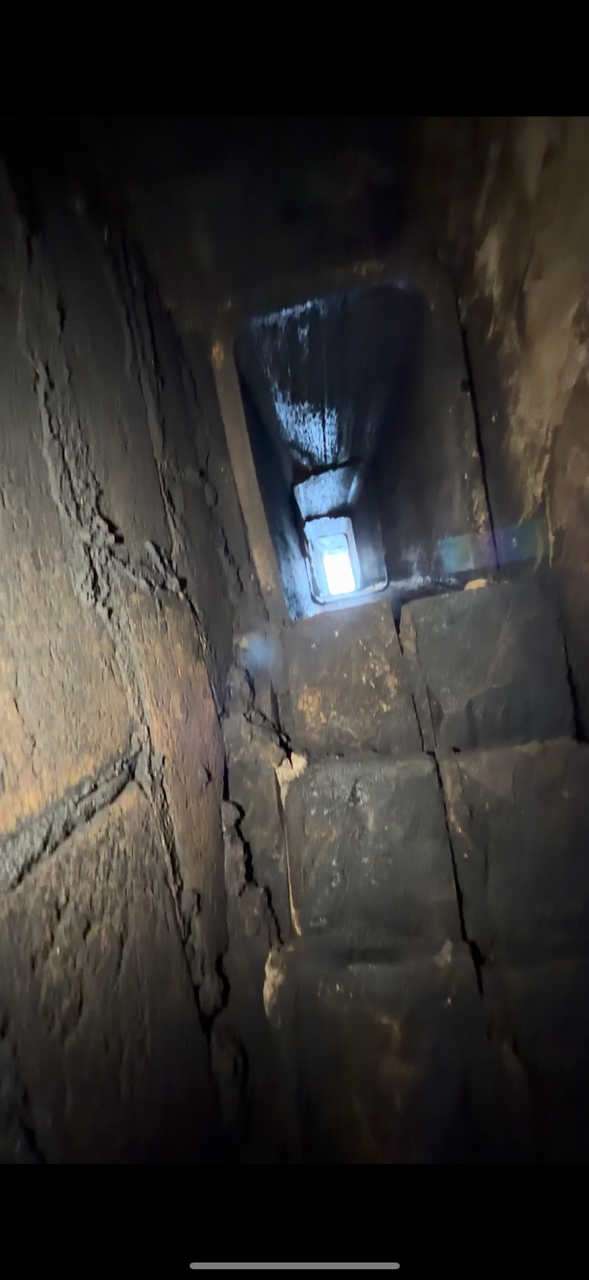
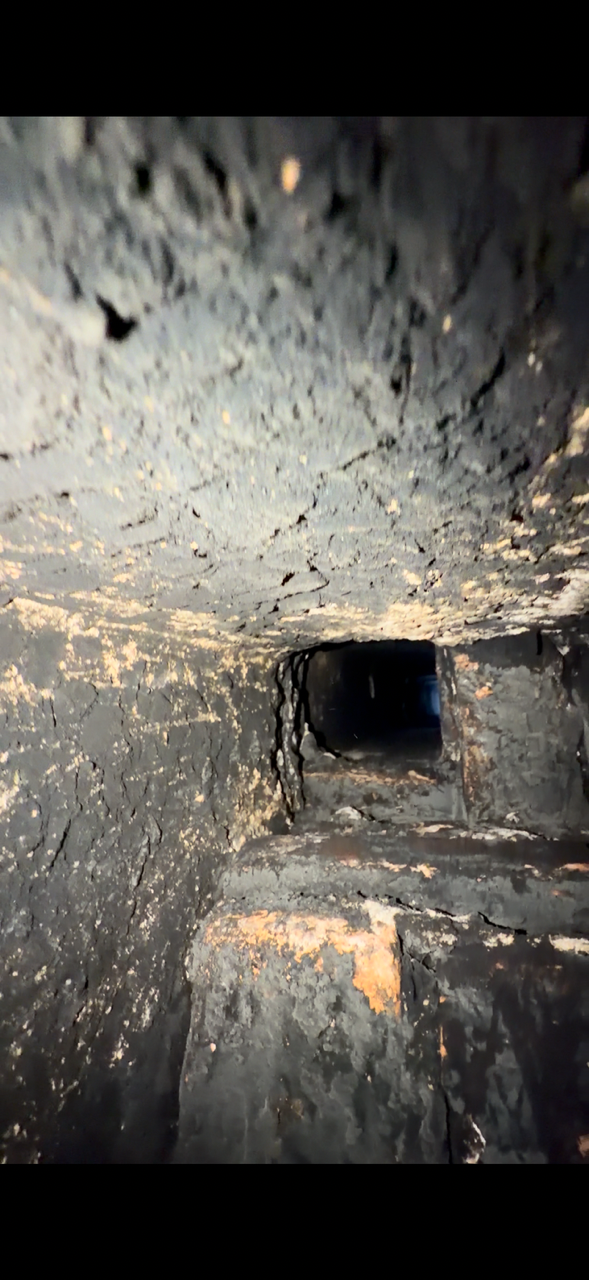
During the inspection, we found severe condensation damage inside the flue. Moisture from the oil heating system had caused erosion and flaking inside the chimney. Over time, this type of damage can restrict airflow and increase the risk of carbon monoxide entering the home.
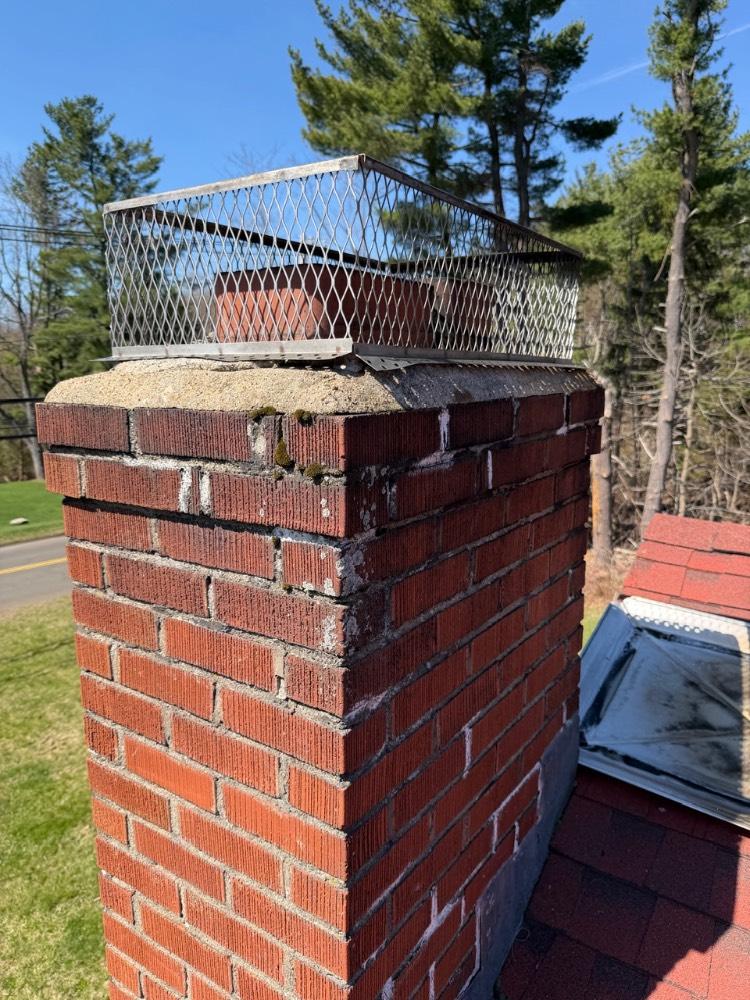
To correct the issue, we installed a UL-listed 316L stainless steel chimney liner system sized specifically for the heating appliance. The new liner included a stainless steel top plate, clamp, tee connection, end cap, and termination cap. This chimney liner in Wallingford, CT now directs harmful combustion gases safely out of the home while protecting the chimney structure from future condensation damage.
Chimney Rebuild in Wallingford, CT Repaired Freeze and Thaw Damage
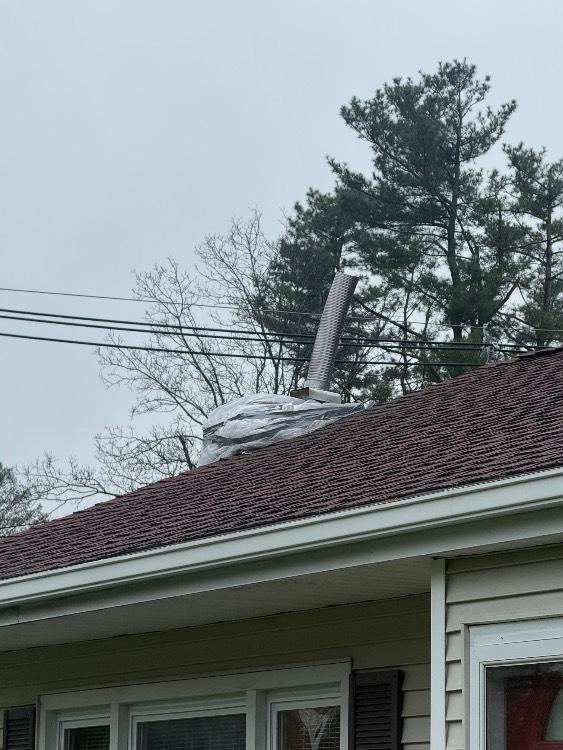
The exterior masonry showed extensive water penetration and freeze/thaw deterioration. Cracked bricks, missing mortar joints, and structural instability had developed after years of exposure to Connecticut weather conditions.
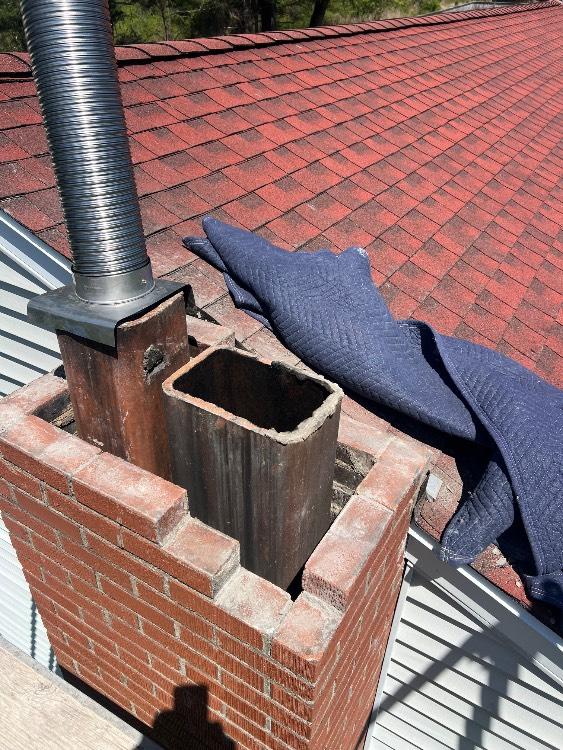
We removed the damaged chimney structure down to the roofline and completed a full chimney rebuild in Wallingford, CT using new brick, mortar, flashing, crown work, and a new terra cotta flue section. Our crew also installed new lead counter flashing to create a long-lasting waterproof seal where the chimney met the roof.
This chimney rebuild in Wallingford, CT restored both the appearance and structural integrity of the chimney system.
Long-Term Protection for the Chimney System
After completing the masonry work, we applied a professional-grade water repellent to the chimney exterior. This treatment helped protect the masonry from future moisture penetration, freeze/thaw damage, staining, and deterioration.
By combining a new liner, structural masonry repairs, smoke chamber restoration, and waterproofing protection, we delivered a safer and longer-lasting chimney system for the homeowner.
If you need a chimney liner in Wallingford, CT or a chimney rebuild in Wallingford, CT, our experienced team can inspect your system and recommend the right solution for your home.
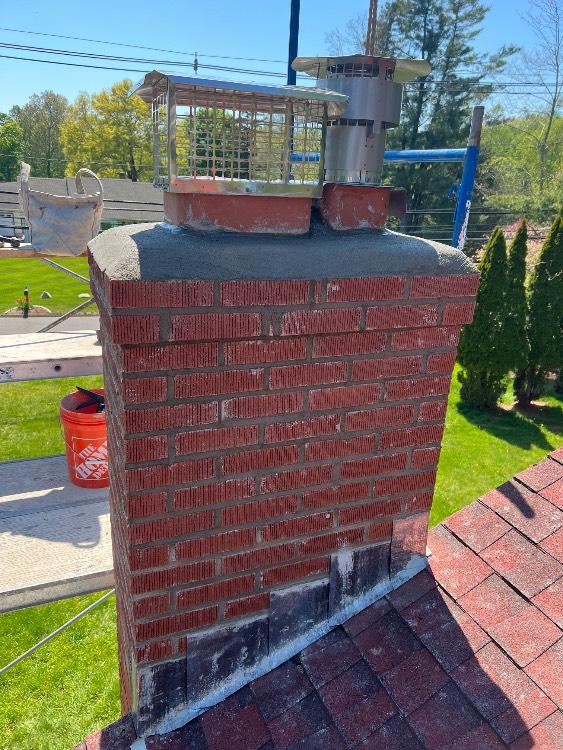
Class A Chimney in Madison, CT: Replacing an Unsafe Oil Furnace Venting System
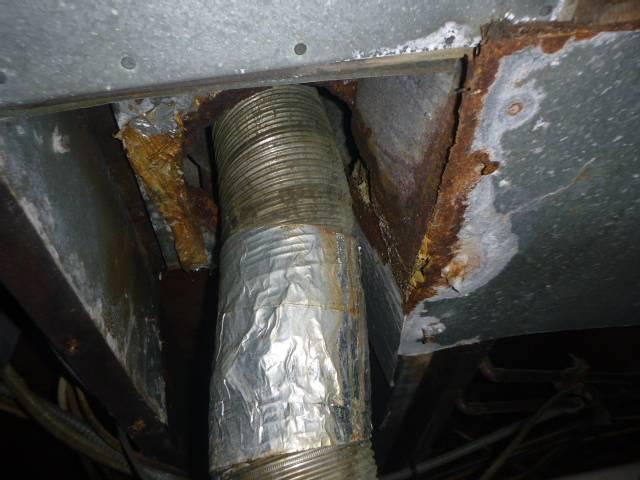
Our team recently completed a major chimney venting project for a homeowner in Madison after a Level 2 inspection revealed serious problems with the existing oil furnace exhaust system. The homeowner contacted us for an urgent solution because the damaged venting system had already begun causing moisture and drafting issues inside the chimney structure.
Why This Chimney in Madison, CT Needed Immediate Attention
During our inspection, we discovered that a high-efficiency oil furnace was venting into a prefabricated chimney with an improper corrugated liner system. The liner had originally been designed for masonry chimneys only, not for prefabricated Class A chimney systems. As the furnace exhausted cooler gases, condensation formed inside the venting system. The acidic moisture mixed with oil soot and slowly damaged the chimney from the inside out.
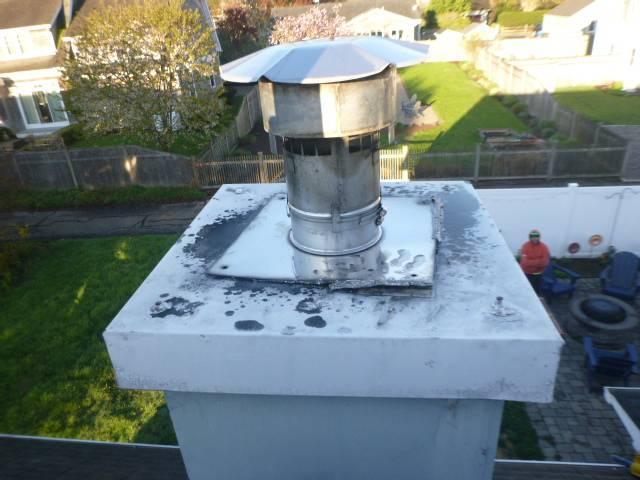
The venting system showed signs of corrosion, poor drafting, and moisture damage. We documented the entire condition with video footage and explained the safety concerns to the homeowner before beginning the work.
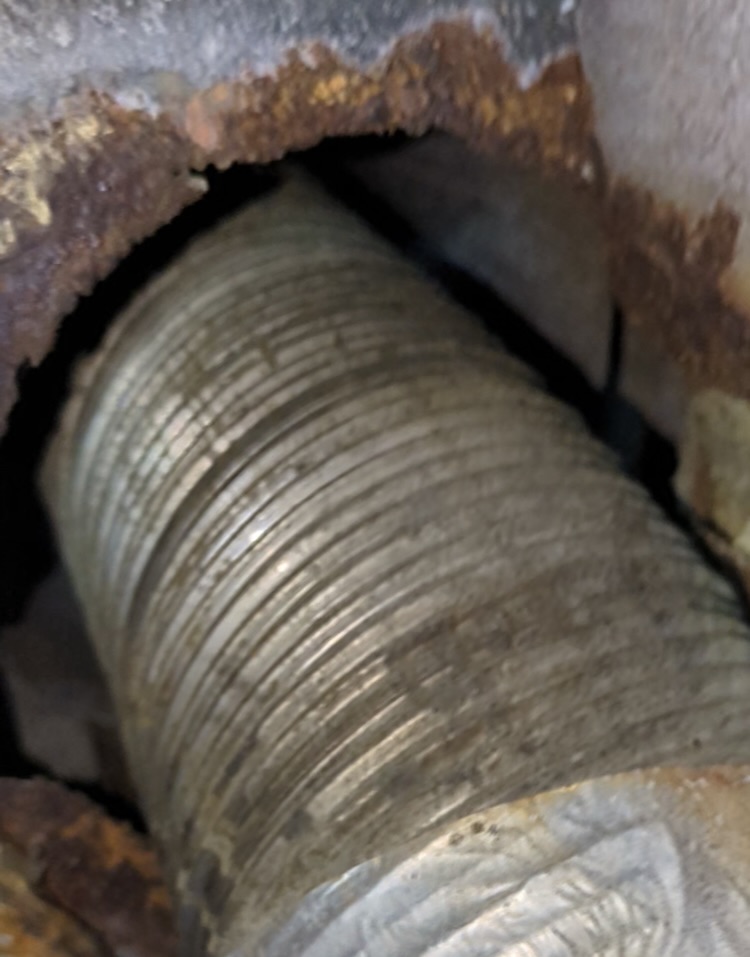
Installing New Class A Chimney in Madison, CT for Safe Venting
To correct the issue, we first pulled the required town permit to ensure the installation met all local codes and manufacturer standards. After securing the permit, our crew carefully removed the damaged corrugated liner from the chimney system.
Next, we installed a new stainless steel Class A all-fuel chimney system sized specifically for the 5-inch oil furnace. The new system ran continuously from the furnace connection to the top of the chimney structure. This design improved draft performance and safely carried exhaust gases and acidic moisture out of the home.
Because the chimney sat inside a wooden chase structure, we also installed a custom stainless steel chase pan, storm collar, and chimney cap. These components helped protect the structure from water penetration and long-term weather damage.
Class A Chimneys in Madison, CT Help Prevent Moisture Damage
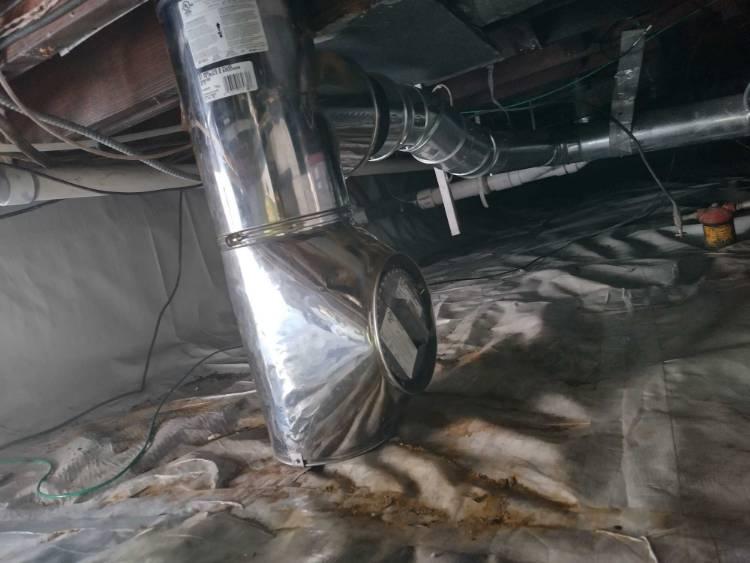
Many homeowners do not realize that high-efficiency oil appliances create large amounts of condensation. When venting systems use the wrong materials, acidic moisture can quickly destroy the inside of the chimney. The original liner system was improperly installed for this type of prefabricated chimney, which caused premature deterioration and venting issues.
Our replacement system provided the homeowner with a safer and more durable venting solution designed specifically for oil furnace applications. Proper chimney liners and Class A chimneys also improve drafting performance, reduce corrosion, and help extend the life of the heating system.
Professional Chimney Liner in Madison, CT
This project showed why proper venting design matters for every oil furnace installation. Our team completed the chimney replacement safely, followed all code requirements, and ensured the new stainless steel chimney system properly vented the appliance.
If your home has a damaged or improperly installed venting system, a professional chimney inspection can help identify hidden safety issues before they become major structural problems.
Chimney Rebuild in Avon, CT: Stopping Water Damage Before It Gets Worse
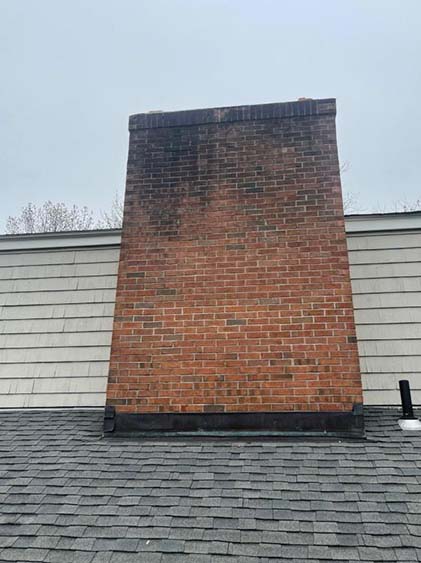
When a homeowner in Avon called us, the main concern was water. They were seeing leaking through the brick during rainstorms, a ceiling spot near the chimney, and the leak was getting worse during heavy rain.
That is usually a sign that the chimney has been taking on water for a while — not just one bad storm.
After inspecting the chimney, we found damage consistent with years of water entry, saturation, and freeze/thaw deterioration. In Connecticut, that freeze/thaw cycle is tough on masonry. Water gets into open mortar joints or cracked brick, freezes, expands, and slowly starts breaking the chimney apart.
What We Found
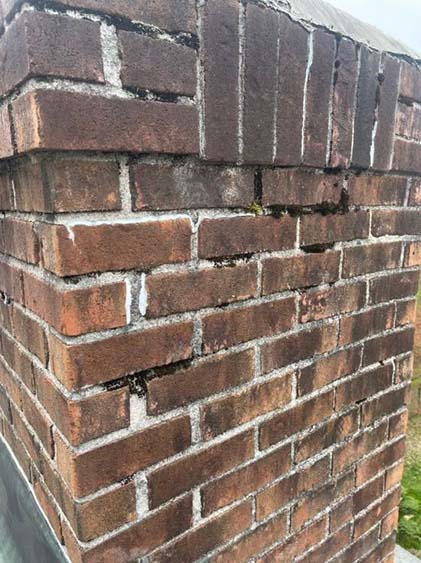
The upper portion of the chimney had visible signs of deterioration, including:
- Cracked and broken bricks
- Missing and deteriorated mortar joints
- Water staining
- Moss and moisture damage
- Spalling brick faces
- Failed or questionable flashing areas
- Missing rain caps
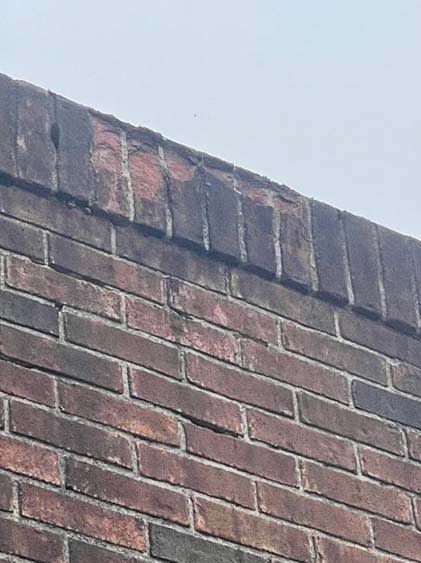
Once a chimney reaches this point, patching the outside is usually not enough. The damage is already inside the masonry system. That is why this chimney needed to be removed down to the roofline and rebuilt properly. The estimate called for dismantling the chimney exterior to the roofline, rebuilding it with new brick and mortar, installing new terra cotta flue sections from the roof up, adding a new cement crown, replacing flashing, and installing stainless steel caps.
Why Flashing Matters So Much
A lot of chimney leaks are blamed on “the chimney,” but very often the issue is where the chimney meets the roof.
For this project, we replaced the flashing at both rooflines. That included step flashing and lead counter flashing.
We use lead flashing because it lasts, shapes properly into the masonry, and gives a better long-term seal than cheaper materials like tin, aluminum, or galvanized steel. The counter flashing is tucked into the mortar joints, not just nailed to the side of the chimney and covered with caulk.
Caulk is not a chimney flashing system. It might buy time, but it should not be the main thing keeping water out of a home.
The Rebuild
Our crew set up roof protection, ladders, and scaffold as needed to safely access the chimney. The damaged chimney was taken down to the roofline and rebuilt with new brick and mortar.
During the rebuild, we also opened the roof area around the chimney so the flashing could be replaced correctly. Once the new flashing was installed, the shingles were relaid around the chimney.
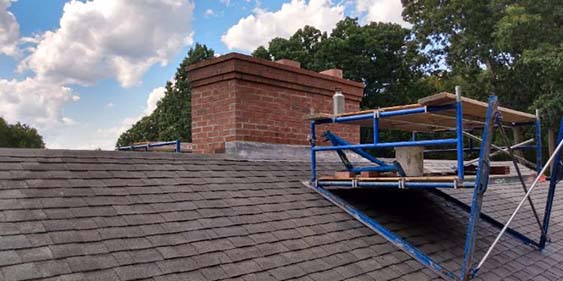
The chimney also received a new cement crown and new stainless steel single-flue caps. Those caps help keep rain, snow, leaves, and animals out of the flues.
The Finished Result
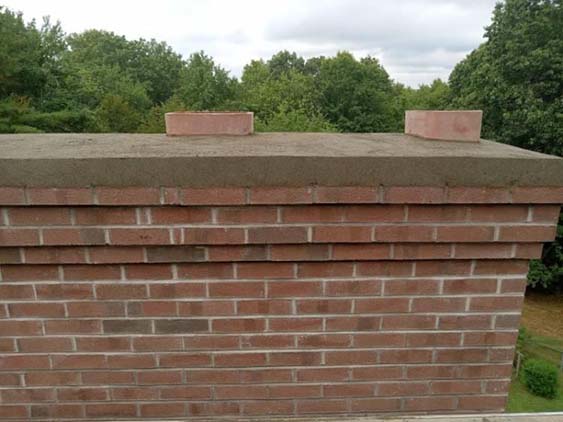
The finished chimney looks clean, straight, and solid — but more importantly, it was rebuilt to solve the water problem, not just cover it up.
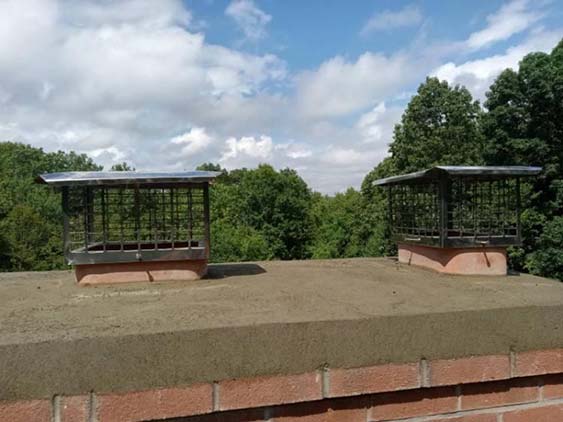
A chimney rebuild like this is not just cosmetic. It protects the roof, attic, ceilings, masonry, and flue system from continued water damage.
Seeing Water Near Your Chimney?
If you notice water stains on the ceiling near your chimney, leaking brick, moss growth, missing mortar, cracked brick, or water dripping into the fireplace, it is worth having the chimney inspected before the damage spreads.
Small leaks can turn into major masonry repairs when they are ignored for too long.
Safeside Chimney provides chimney inspections, chimney leak repairs, flashing replacement, chimney caps, and full chimney rebuilds throughout Avon and across Connecticut.